 My biggest complaint about our canine best friends is they age much too fast!
But there are many things you can do to keep your older dog with you and feeling as good as possible for many years to come.
Let’s look at a few of the early things you should do for your senior pet…
Dog Age Explained
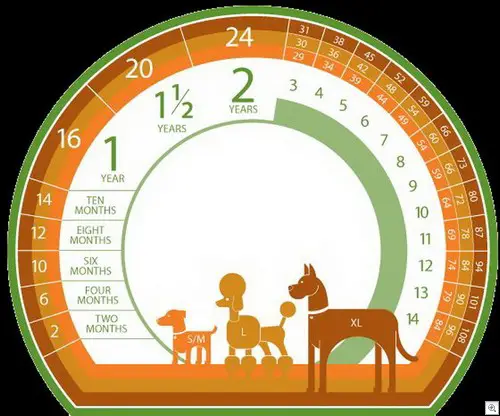
The old adage about 1 human year being equal to 7 doggie years is, of course, false.
There are a number of dog age charts out there, and they all tell us basically the same thing — that years plus size determine when a dog reaches Senior, and then Geriatric, status.
For example, a dog up to 20 pounds is considered Senior around 7 years of age, and Geriatric around age 14. By comparison, a dog over 90 pounds is thought to be Senior by age 5, and Geriatric by age 9 — quite a difference!
When the Senior years roll around, you’ll probably spot a few gray hairs around the muzzle, and your playful pup may start slowing down a bit.
Exercising An Older Dog
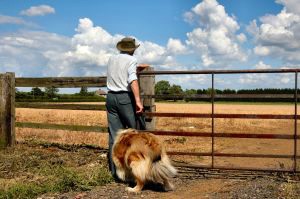 Exercise is still extremely important, though, so be sure to keep your Senior dog active — for both his physical (and mental) well-being. Remember, common sense applies here. Depending on your pet, consider slowing your daily jog together down to a brisk walk, or take a couple of short walks instead of one long one — you get the idea.
I know I can’t do things with the same vigor at the age I am now (don’t ask …) as I did when I was younger, but that doesn’t mean I don’t need to keep as active as I reasonably can for optimum health. The key word here is “reasonably” — don’t do it if it hurts. The same holds true with your dog as his physical condition changes, so be aware.
Weight Issues With Older Dogs
Keeping active is a lot tougher with extra weight to lug around. One of the biggest favors you can do for your dog at any age, but particularly during his Senior years, is to make sure he isn’t overweight. If your dog is optimal weight, that’s fantastic! If, like me, he’s added a little extra with the passing years, then you need to take action — and don’t start tomorrow, start today!
Just like with people, the extra pounds add stress to the joints, can lead to diabetes, difficulty breathing, and much more — up to and including shortening his already-too-short life! If you leave food down all day for him to eat at will, try measuring it and feeding him twice a day instead to limit overeating. Watch the snacks, and avoid giving him table food. Your vet can help by recommending a weight loss program, and even specific foods for senior dogs — all based on your dog’s current state of heath.
Older Dog Behavior Issues


Another priority is to be observant for any behavior changes, and report them to your vet. There are many cases where an underlying condition may be masquerading as symptoms of old age, and can be helped with medication, therapy, or simply a change in diet.
This is a big reason to begin annual Geriatric screening once your pet gets into his Senior years. Your vet will give him a complete hands-on examination, blood tests, and any other tests that his health or history may indicate a need for. Chances are, the tests will come back just fine, but if any problems do turn up, you’ll have an early opportunity to take care of them before they might get harder to deal with.
Some common behavior changes and problems in older dogs.
So, to summarize, make sure your Senior dog gets some exercise daily, watch his weight, do the vet checkups, and with plenty of attention and TLC (that part’s easy!), your Senior pet will have many happy years ahead.